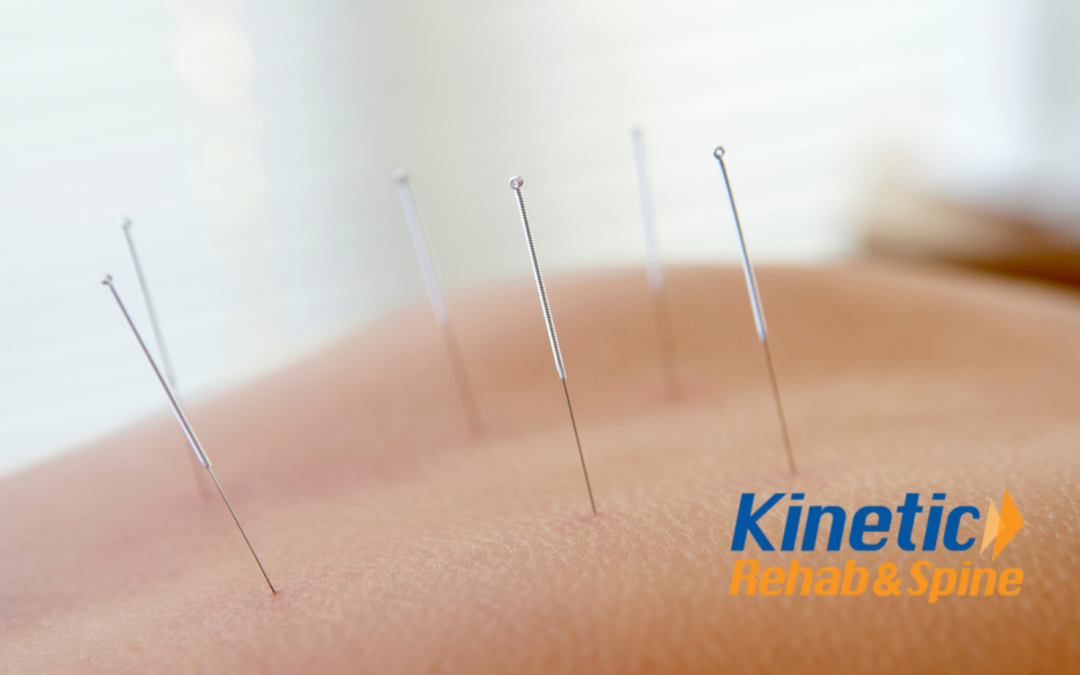
If you are researching acupuncture and dry needling in New Jersey, you may have noticed that both treatments involve thin needles and are used to address pain and muscular dysfunction. While they share similarities, they are based on different principles and clinical approaches.
At Kinetic Rehab & Spine in Ramsey, NJ, these therapies may be incorporated into a comprehensive treatment plan depending on your condition and movement goals.
What Is Acupuncture?
Acupuncture is rooted in traditional Chinese medicine and has been practiced for thousands of years. It involves placing very thin needles at specific points on the body to influence energy pathways, often referred to as meridians.
In modern clinical settings, acupuncture is commonly used to support pain management, reduce muscle tension, and promote relaxation.
What Is Dry Needling?
Dry needling is grounded in Western musculoskeletal medicine. It targets specific trigger points — tight bands of muscle tissue that may contribute to pain, limited mobility, or referred discomfort.
The goal of dry needling is to stimulate a localized response in the muscle, helping reduce tension and improve function.
Key Differences Between Acupuncture and Dry Needling
- Philosophy: Acupuncture is based on traditional Eastern medicine principles, while dry needling is based on modern anatomical and neuromuscular concepts.
- Point Selection: Acupuncture follows mapped meridian points; dry needling focuses on specific muscular trigger points.
- Treatment Goals: Both may address pain and dysfunction, but dry needling is typically more targeted toward musculoskeletal rehabilitation.
What Conditions May Be Addressed?
Depending on your evaluation, acupuncture or dry needling may be incorporated into treatment plans for:
- Neck pain
- Lower back pain
- Shoulder tension
- Sports-related muscle strain
- Tension headaches
- Chronic muscle tightness
These treatments are often combined with physical therapy, strengthening exercises, and mobility work for a more comprehensive approach.
How Do They Fit Into a Larger Treatment Plan?
Needle-based therapies are rarely standalone solutions. At Kinetic Rehab & Spine, they may be used to reduce muscle guarding or improve mobility so that corrective exercise and rehabilitation can be more effective.
For certain chronic tendon conditions, regenerative options such as shockwave therapy may also be considered alongside rehabilitation.
Learn more here:
Shockwave Therapy Treatment in Northern NJ
What to Expect During Treatment
Both acupuncture and dry needling involve the use of very thin, sterile needles. Sensations vary but may include mild tingling, warmth, or a brief muscle twitch response in the case of dry needling.
Your provider will determine whether either approach is appropriate following a professional evaluation.
Schedule a Consultation
If you are considering acupuncture or dry needling in New Jersey and want to understand which approach may fit your needs, our team at Kinetic Rehab & Spine is here to help.
Kinetic Rehab & Spine
171 Lake St
Ramsey, NJ 07446
Phone: 201-327-1990
Website: https://kineticrehabspine.com/
Contact us today to schedule a consultation and learn more about your treatment options.
Disclaimer: This article is for educational purposes only and is not intended as medical advice. Individual conditions vary, and treatment recommendations should be made following a professional evaluation. If you are experiencing persistent pain or symptoms, please consult with a qualified healthcare provider.